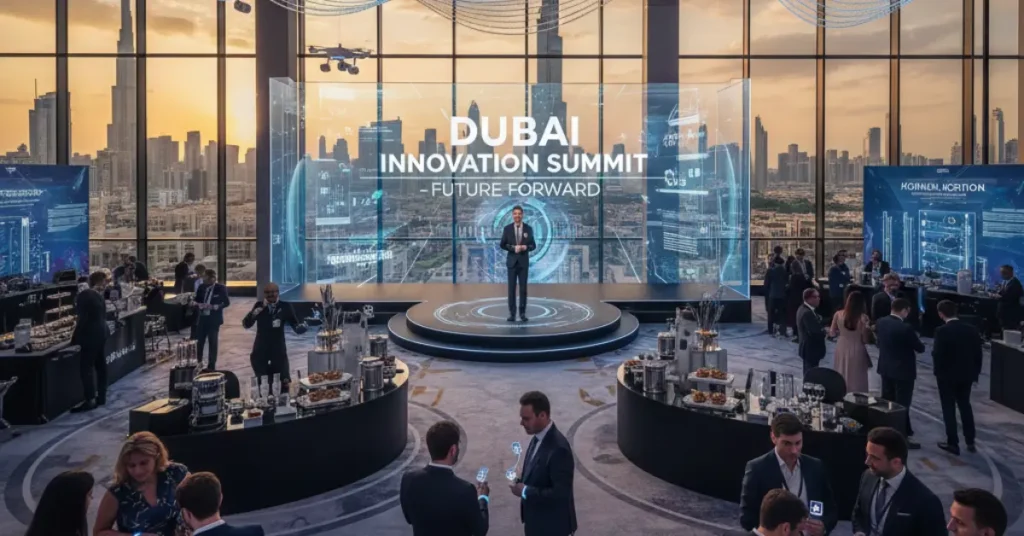
Dubai’s corporate events are evolving beyond traditional conferences. In 2026, expect AI-powered networking, hybrid formats, wellness-focused agendas, and immersive tech like VR/AR. The UAE event market is booming at USD 13.98 billion and growing 12.45% annually.
Smart companies are choosing unique venues, sustainable practices, and experience-driven formats that attendees actually remember.
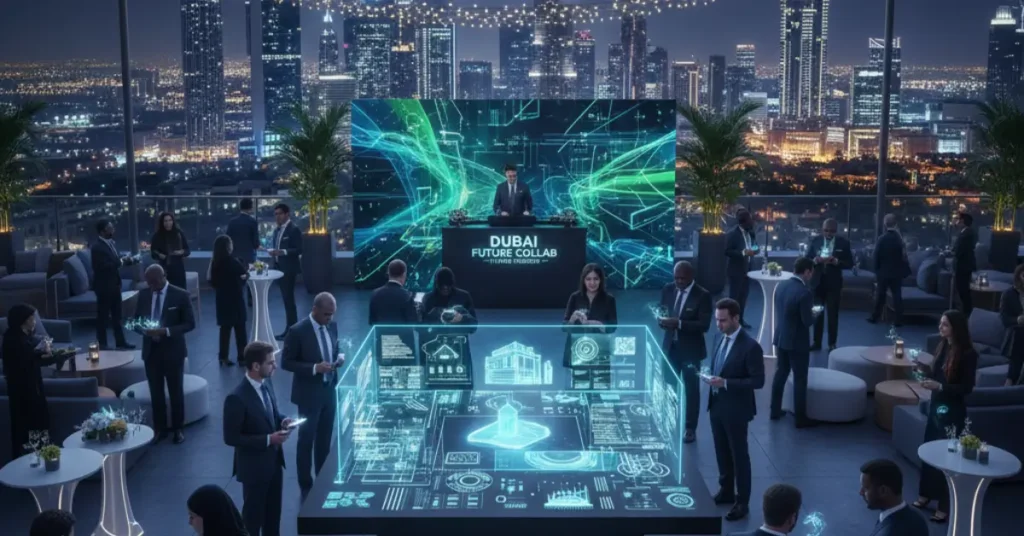
Planning a corporate event in Dubai? You’re not alone. The city has transformed into the Middle East’s premier business hub, and frankly, basic hotel ballroom meetings don’t cut it anymore. Your attendees expect more—much more.
According to Mordor Intelligence, the UAE event management market is valued at USD 13.98 billion in 2026 and is projected to reach USD 25.13 billion by 2030, growing at a CAGR of 12.45%. Dubai alone secured 175 international business event bids in the first half of 2024—a 24% jump from the previous year. This explosive growth means one thing: competition for attendee attention is fierce.
So how do you stand out? Let’s explore the trends reshaping corporate events in Dubai right now.
What Tech Is Actually Transforming Events? (Not Just Buzzwords)
Walk into any modern corporate event in Dubai, and you’ll notice something different. Attendees aren’t just passive listeners anymore—they’re participants, thanks to smart technology integration.
AI: Your Silent Event Assistant
Artificial Intelligence isn’t replacing event planners (we promise). Instead, it’s handling the tedious stuff so humans can focus on creativity.
Here’s what AI does behind the scenes:
- Sends personalized invitations based on attendee preferences
- Powers chatbots that answer common questions 24/7
- Suggests networking matches by analyzing job titles and industries
- Collects post-event feedback and identifies patterns
Imagine this: An attendee arrives, and the AI system has already analyzed their LinkedIn profile. It recommends three people they should meet based on shared interests. That’s not science fiction—that’s happening at professional event management services today.
The real power? AI learns from each event. What sessions got the most engagement? Which speakers resonated? This data helps you improve continuously, turning every event into a better version of the last.
VR and AR: Making the Impossible Possible
Remember when product demos meant clunky prototypes and static PowerPoints? Not anymore.
Virtual Reality (VR) lets your guests step inside a virtual environment. Want to show investors a building that hasn’t been constructed yet? Put on a VR headset and walk through it together. No imagination required.
Augmented Reality (AR) adds digital layers to the real world. Point your phone at a conference table, and a 3D product model appears. Scan a speaker’s badge, and their bio pops up instantly. It’s like having X-ray vision for information.
We’ve seen architecture firms use VR to showcase projects. Tech companies use AR for interactive product launches. These aren’t gimmicks—they’re problem-solvers that make complex ideas instantly digestible.
Can Games Really Make Business Events Fun?
Yes, and here’s why gamification works: humans are competitive by nature.
Add a simple points system to your event. Attendees earn points for:
- Attending sessions (10 points)
- Asking questions (5 points)
- Visiting sponsor booths (15 points)
- Networking with new people (20 points)
Display a live leaderboard. Offer prizes for top scorers. Suddenly, you’ve transformed a standard conference into an engaging competition. Attendees who might have skipped the afternoon session now stay because they’re 30 points away from first place.
Pro tip: We’ve run events where gamification increased booth visits by 40% and session attendance by 25%. The secret? Make it easy to understand and actually rewarding.
Why Wellness Isn’t Optional Anymore
Here’s a truth bomb: nobody performs well at an event where they feel terrible. Eight-hour days sitting in uncomfortable chairs, eating heavy food, and staring at screens drain energy faster than a phone on 1%.
Smart companies realized this. They’re now building wellness into their events from day one, not as an afterthought.
Simple Wellness Activities That Actually Work
You don’t need a spa retreat budget. Start small:
Morning energizers: A 15-minute guided meditation or yoga session before the first keynote sets a calm, focused tone. We’ve seen attendees report 30% better concentration throughout the day.
Movement breaks: Every 90 minutes, take 5 minutes for light stretching. Sounds simple? It prevents the afternoon slump.
Brain-friendly food: Replace sugary pastries with fruit platters and protein-rich snacks. Offer herbal teas and fresh juices alongside coffee. Your attendees’ energy levels will thank you.
Quiet zones: Designate a room where people can decompress. No networking, no pitches—just silence. Introverts especially appreciate this.
For multi-day events, consider adding guided trekking and hiking adventures in Dubai’s stunning landscapes. Nothing builds team bonds like shared physical challenge.
Adventure: The Ultimate Team Builder
Conference rooms have their place, but real connections happen outdoors.
Dubai’s geography offers incredible options:
- Desert experiences: Dune bashing, camel rides, and sunset dinners under the stars
- Mountain activities: Hiking in Hatta’s wadis and mountains
- Coastal adventures: Beach volleyball, water sports, and yacht networking
These adventure tours and city exploration activities do something magical. When your CFO and junior analyst navigate a hiking trail together, hierarchy melts away. They’re just two people solving a challenge as equals.
That’s the goal of effective team building activities—stripping away titles and creating genuine human connections.
How Do You Make Events Truly Unforgettable?
Attendees forget most events within weeks. But they remember experiences that made them feel something.
The difference? Personalization and atmosphere.
Personalization Goes Deep (Not Just Name Tags)
Basic personalization: “Hi, [First Name]” on the badge.
Advanced personalization that wows:
- Custom agendas based on pre-event surveys about interests
- Welcome gifts tailored to attendee preferences (coffee lover? Artisan beans. Tech enthusiast? Branded USB-C cable)
- AI-suggested session schedules that align with career goals
- Personalized networking recommendations before they arrive
Think of it like Netflix recommendations, but for event content. “Based on your role as Marketing Director, we suggest these three sessions.”
One financial services firm we worked with did this brilliantly. They sent pre-event questionnaires, analyzed responses, and created five different tracks. Attendees felt the event was built specifically for them—because it was.
Venue Selection: Your Silent Marketing Message
Your venue isn’t just a location—it’s the first message attendees receive about your brand values.
Traditional hotel ballroom? You’re saying: “We play it safe.”
Unique Dubai venues that make statements:
- Luxury yacht on Dubai Marina: Innovation, exclusivity, forward-thinking
- Desert camp under the stars: Authenticity, adventure, breaking boundaries
- Contemporary art gallery: Creativity, culture, sophistication
- Rooftop with Burj Khalifa views: Ambition, success, premium quality
We’ve organized stargazing experiences in the desert for corporate retreats. Picture this: Your executive team lying on cushions, looking at constellations, discussing company vision under millions of stars. That’s not a meeting—that’s a transformative experience they’ll reference for years.
Ask yourself: What feeling do I want to create? Choose your venue accordingly.
Hybrid Events: Connecting Two Worlds Seamlessly
The pandemic forced us to go virtual. Now we’re smarter—we’re doing both.
A hybrid event means some attendees are physically present while others join remotely from anywhere globally. This isn’t about broadcasting a camera feed to Zoom. It’s about creating an equally engaging experience for both audiences.
Why Hybrid Matters in 2026
The numbers tell the story. According to recent industry research:
- 86.4% of organizers plan to maintain or increase in-person events in 2026
- 97% of event professionals believe hybrid formats are vital to the industry’s future
Why? Three reasons:
- Global reach: Your New York sales team joins without flying 13 hours
- Cost efficiency: Virtual tickets cost less, increasing accessibility
- Sustainability: Fewer flights means lower carbon footprint
Making Virtual Attendees Feel Present
This is where most hybrid events fail. Virtual attendees watch passively while in-person guests have all the fun.
Don’t do that. Do this instead:
- Interactive polls: Let virtual attendees vote in real-time, display results on venue screens
- Q&A integration: Virtual questions appear alongside in-person ones
- Virtual networking rooms: Create Zoom breakout rooms mirroring physical networking breaks
- Hybrid gamification: Virtual and in-person attendees compete on the same leaderboard
- Dedicated moderators: Assign someone to champion virtual attendees’ experience
The goal? Make location irrelevant to engagement level.
Going Green: Why Sustainable Events Matter
Let’s be honest: nobody wants to attend an event that generates mountains of waste. Your attendees notice. They judge. And increasingly, they choose to work with companies that care.
Sustainable events aren’t just good for the planet—they’re good for your brand reputation.
Practical Eco-Friendly Practices
You don’t need to be perfect. Start with these high-impact changes:
Eliminate unnecessary paper:
- Replace printed programs with mobile apps or event websites
- Use QR codes for session materials instead of printed handouts
- Digital business cards instead of physical ones
Ban single-use plastics:
- Water stations with reusable bottles (brand them as event souvenirs)
- Real dishes and cutlery instead of disposables
- Bamboo or compostable alternatives when disposables are necessary
Smart food choices:
- Source from local suppliers to reduce transportation emissions
- Offer plant-based menu options (smaller carbon footprint than meat)
- Partner with food rescue organizations to donate leftovers
Sustainable swag:
- Quality items people actually use (not cheap trinkets heading to landfills)
- Eco-friendly materials: bamboo, recycled plastic, organic cotton
- Digital alternatives: discount codes, subscriptions, online resources
One tech conference we organized went 90% paperless and donated all leftover food to local charities. Attendees noticed. Post-event surveys mentioned sustainability as a highlight—something they’d never previously commented on.
The Business Case for Green
Sustainability isn’t sacrifice—it’s strategic:
- Cost savings: Digital materials cost less than printing thousands of pages
- Brand positioning: Attracts environmentally conscious clients and employees
- Regulatory future-proofing: Environmental regulations are tightening; get ahead now
- Competitive advantage: Many competitors haven’t made this shift yet
According to event industry sustainability reports, companies integrating sustainability into events see improved brand perception among 78% of attendees.
Should You Hire a Professional Event Planner?
Here’s the reality: planning a major corporate event is a full-time job disguised as a project. Unless you have dedicated staff with event expertise, you’re setting yourself up for stress, mistakes, and missed opportunities.
What Top Event Planners Actually Do
Professional planners aren’t just coordinators checking boxes. They’re:
Strategic partners who understand your business goals and design events to achieve them.
Problem preventers who spot issues before they happen (ever had audio fail during a keynote? They haven’t).
Negotiation experts who get better vendor rates than you could alone.
Trend translators who know which innovations work and which are hype.
Dubai hosts some of the world’s top event management companies. While rankings vary by specialty and event size, the best planners share common traits: obsessive attention to detail, vast supplier networks, and ability to execute under pressure.
Want to understand our approach? Learn more about us and our event philosophy.
When DIY Makes Sense (and When It Doesn’t)
DIY works for:
- Small team meetings (under 30 people)
- Internal training sessions
- Casual networking events
- Events where you have experienced staff
Hire professionals for:
- Client-facing conferences
- Product launches
- Multi-day corporate retreats
- Events with 100+ attendees
- Anything involving VIPs or high-stakes outcomes
Think of it this way: You could probably cut your own hair, but for your wedding, you hire a professional. Same logic applies to important corporate events.
What’s Next? The Future of Corporate Events in Dubai
The corporate events landscape evolves quickly. Here’s what we’re seeing for 2026 and beyond.
Investment Is Increasing
Industry projections show corporate event spending rising significantly. The cost per attendee is expected to reach $169 per day in 2026, reflecting companies’ willingness to invest in quality experiences and cutting-edge technology.
Why the increase? Because companies realize events drive real business outcomes:
- Lead generation
- Client relationship strengthening
- Employee engagement and retention
- Brand positioning
- Innovation collaboration
When done right, events deliver ROI that justifies premium spending.
Emerging Trends to Watch
AI gets smarter: Beyond basic chatbots, expect AI that understands context, sentiment, and makes complex recommendations.
Immersive experiences deepen: Extended reality (XR) combining VR and AR will create truly immersive environments.
Data integration: Events will connect with CRM systems, showing precise ROI through lead tracking and conversion metrics.
Micro-events gain popularity: Instead of one massive annual conference, companies host smaller, more frequent, highly targeted events.
Wellness becomes standard: Not a special feature—an expected baseline for any quality event.
The common thread? Events are becoming more personalized, more measurable, and more connected to core business strategy.
Dubai’s Competitive Advantage
Dubai isn’t just growing—it’s leading. The city offers:
- World-class infrastructure and venues
- Central location connecting East and West
- Government support for business events
- Multicultural environment comfortable for international attendees
- Year-round favorable weather (outside summer months)
With the UAE event market projected to reach USD 25.13 billion by 2030, opportunities are expanding rapidly for companies that embrace innovation.
Frequently Asked Questions
Corporate conferences, product launches, and team-building events dominate Dubai’s corporate calendar. The city’s infrastructure and international connectivity make it ideal for events requiring global participation.
The big five trends are: hybrid formats combining in-person and virtual, experience-focused programming over passive lectures, sustainability integration, AI-powered personalization, and wellness-centered agendas.
The 5 C’s provide a framework: Concept (defining the vision), Coordination (organizing logistics), Control (managing execution), Culmination (the event itself), and Closeout (post-event analysis and follow-up).
Major categories include corporate conferences, trade exhibitions, business summits, industry-specific conventions, networking events, product launches, and corporate retreats held across Dubai, Abu Dhabi, and other emirates.
Effective promotion combines social media marketing, targeted email campaigns, partnerships with local business influencers, listings on event platforms, digital advertising in relevant publications, and leveraging professional networks like LinkedIn.
Ready to Create Something Memorable?
Here’s the truth: attendees forget most events within a week. But they remember experiences that challenged them, connected them, or changed their perspective.
The corporate events landscape in Dubai is evolving faster than ever. Technology offers tools we couldn’t imagine five years ago. Attendee expectations have risen dramatically. Competition for attention is fierce.
But this creates opportunity. Companies willing to move beyond traditional formats and embrace innovation will stand out dramatically.
You have two paths:
- Play it safe with another forgettable hotel ballroom meeting
- Create an experience people talk about months later
The choice seems obvious.
Whether you’re planning a 50-person workshop or a 500-person conference, the principles remain: prioritize experience over information delivery, use technology to enhance (not replace) human connection, and design every element with intention.
Ready to start planning? Book a consultation to discuss your next event, or explore our specialized services in event management and hosting.
Your attendees are waiting for something worth remembering. Let’s give it to them.